
OSINT using Recon-NG
Go beyond running basic modules. Learn workspaces, data management, and how to build Recon-ng into a repeatable investigation workflow

Recon-ng is one of the more capable tools in the open source intelligence stack and one of the most inconsistently taught. Most practitioners who use it learned just enough to run a few modules and stopped there. The workspace structure, the data management layer, the reporting functionality, and the logic of building a repeatable investigation workflow around the tool tend to get skipped in favor of getting results quickly.
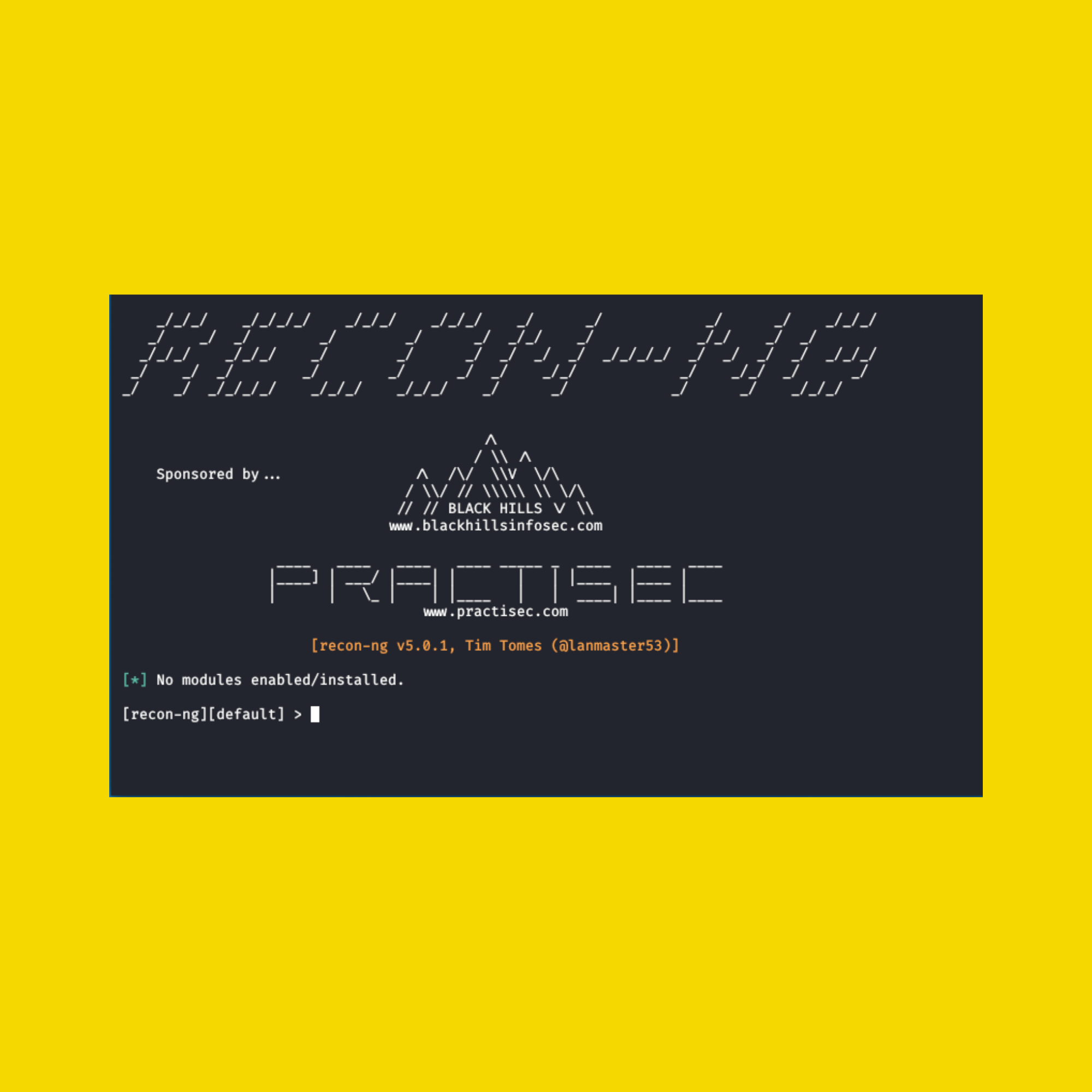
That approach works until it does not. An investigation that was not built inside a proper workspace is harder to hand off, harder to revisit, and harder to document when someone asks you to show your work. A collection of module outputs without a structured record of how they were generated is not an investigation. It is a set of results that cannot be fully explained or reproduced, which matters in any context where the work is going to be reviewed by someone else or used to support a significant conclusion.
The power of Recon-ng is not in any individual module. It is in the ability to build a structured, reproducible investigation that can be extended, audited, and reported from without starting over each time. Getting there requires understanding how workspaces function, how data flows through the tool, and how to make intentional choices about which modules to run, in what order, and why rather than running everything available and sorting through whatever comes back.
The OSINT Using Recon-ng course covers the tool the way it is meant to be used. Workspaces and how to structure them from the start of an investigation. Module selection and how to think about what you are asking each module to do. Data management inside the tool and how to keep a clean record of what was collected and when. And how to integrate Recon-ng into a broader investigation workflow rather than treating it as a standalone lookup utility that gets opened, used once, and closed.
This course is for practitioners who have used Recon-ng and know they are not getting everything out of it, and for people who have avoided it because the learning curve felt steep without a clear starting point. Both groups finish with a working methodology for using the tool consistently and a structure for building investigations that hold up under review. At $49 it is a reasonable investment for a tool that earns it back on the first serious investigation it properly supports.
The course is at https://academy.theosintion.com/l/osint-using-recon-ng.